How to Efficiently Package Food to Extend Shelf Life and Save Costs?
How to Efficiently Package Food to Extend Shelf Life and Save Costs?
In modern society, food storage and packaging technologies have become increasingly important. Proper packaging methods can not only effectively extend the shelf life of food but also reduce costs, helping businesses improve their market competitiveness. In this article, we will explore how to package food to achieve the dual goals of extending shelf life and reducing costs.
I. Understanding Food Characteristics
Before choosing suitable packaging materials and methods, understanding the characteristics of the food itself is crucial. Different types of food have different characteristics in terms of moisture, fat, acidity/alkalinity, and nutrient content. For example:
- Fruits and Vegetables: These foods have high moisture content and are easily perishable. Packaging materials with good ventilation are suitable to prevent excessive moisture accumulation.
- Meat and Seafood: These foods are prone to bacterial growth during storage and require sealed and waterproof packaging materials, combined with refrigeration or freezing technology.
- Dried Goods and Grains: These have lower moisture content but are susceptible to moisture. Packaging must ensure moisture and insect protection, and use breathable or non-breathable packaging materials, depending on the specific situation.
II. Choosing the Right Packaging Materials
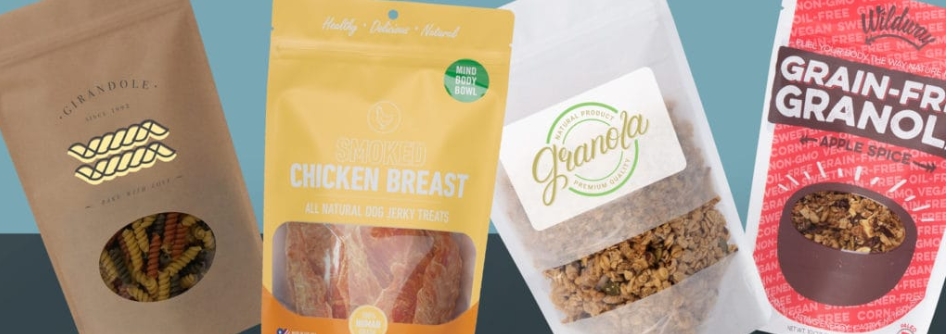
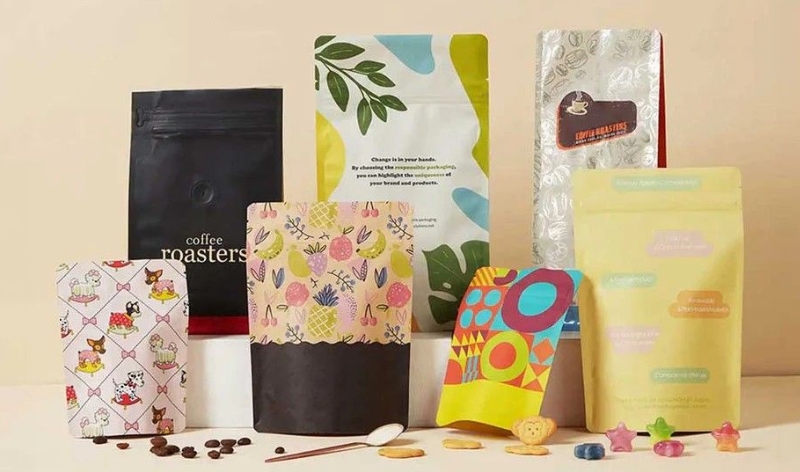
Different types of food require different packaging materials. Here are some commonly used food packaging materials and their advantages and disadvantages:
1. Plastic Packaging:
- Advantages: Lightweight, wear-resistant, low cost, and good moisture-proof performance.
- Disadvantages: Some plastic materials may cause chemical contamination of food, and they are not easily degraded, resulting in a significant environmental impact.
2. Glass Packaging:
- Advantages: Does not easily react with food, good sealing, and can be reused.
- Disadvantages: Heavier, higher transportation costs, and easily damaged.
3. Paper Packaging:
- Advantages: Environmentally friendly, biodegradable, suitable for packaging dry goods and lightweight foods.
- Disadvantages: Susceptible to moisture, poor protection, and needs to be used in combination with other materials.
4. Aluminum Foil Packaging:
- Advantages: Excellent sealing and moisture-proof properties, suitable for long-term storage.
- Disadvantages: Relatively high cost, not suitable for all foods.
III. Utilizing Advanced Packaging Technologies
With the development of technology, many new packaging technologies have emerged, significantly extending food shelf life and reducing costs.
Ensuring Secure Sealing
Even the best packaging materials will fail if the seal is compromised. Sealing integrity is crucial for maintaining the advantages of high-barrier packaging. Poor or incomplete seals allow oxygen and moisture to penetrate, rapidly shortening the food's shelf life.
Technologies for Improving Sealing
Overall Heat Sealing: Using heat to melt and fuse the edges of the packaging material is a common and effective method.
Double Sealing: Implementing a second seal provides an additional layer of protection.
Regular Quality Inspection: Frequent inspections and testing can detect seal failure before it becomes a problem.
1. Vacuum Packaging:
Vacuum packaging effectively inhibits the growth of bacteria and mold by removing air from the packaging and reducing oxygen content, significantly extending the shelf life of food. This packaging method is particularly suitable for meat, seafood, and cooked foods.
2. Modified Atmosphere Packaging:
Modified atmosphere packaging effectively slows down food oxidation and provides lasting freshness by adjusting the gas composition inside the packaging, such as increasing the proportion of nitrogen and carbon dioxide. This technology is commonly used for packaging fruits, vegetables, and cooked foods.
3. Edible Packaging:
Edible packaging is an emerging environmentally friendly material that can be safely digested by the human body after food consumption. It helps reduce plastic waste by preventing spoilage and extending shelf life.
4. Active Packaging: Active packaging goes a step further, incorporating substances that can positively interact with food or its environment. Oxygen scavengers, desiccants, and antimicrobial agents can be added to further protect food and extend its shelf life.
IV. Cost-Effective Solutions
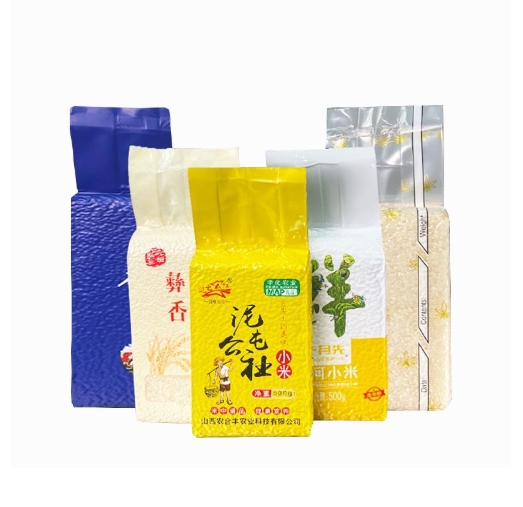
Bulk Packaging: Bulk packaging of food can reduce packaging costs and extend shelf life. Large quantities of food can be stored in high-barrier containers and then securely sealed. This method is particularly useful for dry goods such as grains, beans, and pasta.
Reusable Packaging: Investing in reusable packaging can save long-term costs. Materials such as glass, metal, and certain plastics can be washed and reused, reducing the need to constantly repurchase packaging materials.
Proper Storage Conditions: Even the best packaging will not work if food is not stored properly. Storing food in a cool, dry place, away from direct sunlight, helps maintain its quality and extend its shelf life.
Packaging food to extend shelf life and reduce costs is a systematic undertaking involving various aspects of knowledge and technology. Businesses need to select appropriate packaging materials, technologies, and designs based on their own conditions and market demands to achieve this goal. Only efficient packaging strategies can help businesses stand out in fierce market competition, create greater economic benefits, and achieve sustainable development. Hopefully, the information provided in this article will inspire you and help you achieve better results in the process of packaging food.